

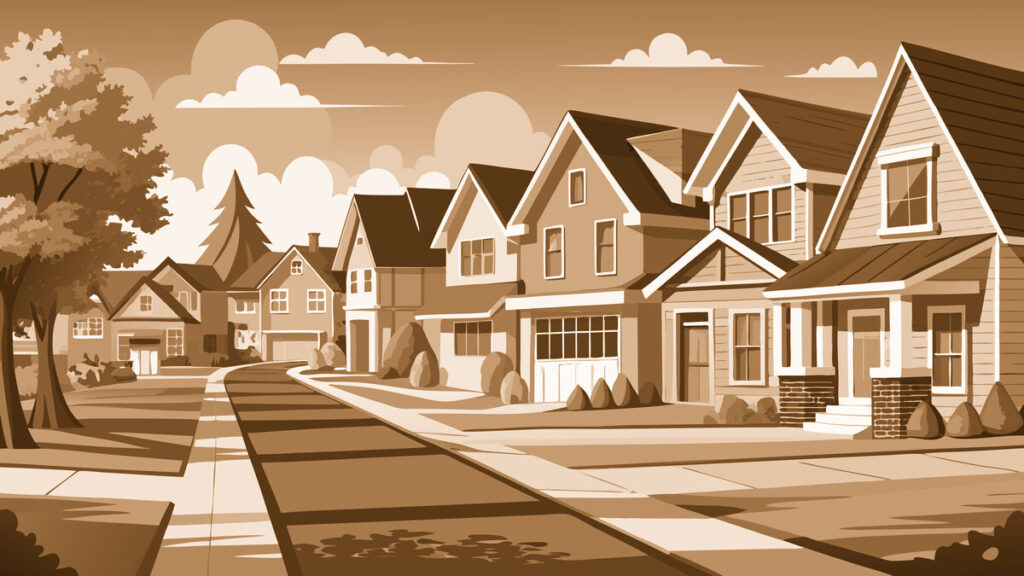
Nichols, a picturesque neighborhood nestled within Trumbull, Connecticut, stands as one of the oldest and most storied areas in Fairfield County. With its roots reaching deep into colonial America, Nichols has managed to retain its sense of history and close-knit charm even as the world around it has transformed. For anyone new to Trumbull, or for lifelong residents, the story of Nichols is more than local lore—it’s a living narrative of community, resilience, and the enduring appeal of New England.
The Origins of Nichols: A Colonial Legacy
At the heart of Nichols’ enduring appeal is its extraordinary origin story. Dating back to the early 18th century, Nichols was first settled by descendants of the Nichols family in the northwestern section of Stratford, which would become Trumbull. The area is named after Abraham Nichols, a pioneer who, along with his kin, purchased and farmed the land that later formed the bedrock of this community.
Abraham Nichols arrived in the early 1700s and established a farmstead on what is now known as Nichols Avenue—today, a vital artery that weaves through the neighborhood. The presence of the Nichols family would shape the landscape, bringing both cultivation and community. Their legacy lingers in the neighborhood’s name and in many of the old homes and roadways still bearing their mark.
From Farmland to Flourishing Community
In its earliest days, Nichols was a rural outpost defined principally by its sprawling family farms. Wide, open fields rolled along what are now side streets off Route 108 (Nichols Avenue), like Unity Road and Huntington Turnpike—both thoroughfares that saw wagon wheels long before they knew car tires.
The establishment of the Unity Burial Ground in 1730, just off Unity Road, is a testament to the deep roots and strong faith of these early settlers. This serene cemetery serves as the final resting place for many Nichols descendants, with centuries-old headstones offering a quiet glimpse into the past.
Through the 18th and 19th centuries, Nichols slowly evolved. As the Trumbull region—incorporated as its own town in 1797—grew, Nichols remained largely agricultural, distinguished by its stately homes, some of which still stand along roads like Mischa Hill Drive and Huntington Turnpike.
Key Historical Milestones: Unity and Growth
Several milestones highlight Nichols’ layered history:
- The Unity Parish: In 1730, local families established the Unity Parish, forming the Nichols Congregational Church, a cornerstone of faith and local governance. The congregation’s original meeting house stood near the intersection of Unity Road and Church Hill Road—where community affairs, lively debates, and spiritual growth flourished side-by-side.
- Revolutionary War Days: Nichols holds its own tales from the Revolutionary War, with local families contributing both resources and militia. The wide, timbered streets you drive today once echoed with the steps of patriot volunteers.
- Modernization: With the advent of the 20th century, Nichols shifted from farmland to suburbia, spurred by the rise of automobile travel and the construction of new roads, schools, and parks.
Landmarks and Institutions: The Beating Heart of Nichols
Nichols boasts several iconic landmarks that anchor its sense of place. Each one threads together generations, celebrations, and cherished community gatherings:
- The Nichols Green: At the junction of Cornfield Road and Shelton Road sits the Nichols Green, an emerald patchwork of lawn and mature trees. It is here that neighbors gather annually for the Fourth of July, parades, Easter egg hunts, and seasonal festivals—maintaining a tradition of community that’s lasted for centuries.
- The Nichols Improvement Association (NIA): Founded in 1889, the NIA is a uniquely Nichols institution—part civic organization, part social club. Its historic headquarters on Trumbull’s Nichols Green is the scene for everything from summertime concerts to winter holiday events. The NIA is both custodian of Nichols’ history and architect of its future.
- Eliakim Beach House: Built in the 1800s and now managed by the NIA, this landmark structure captures the architectural and social history of Nichols, with its rooms hosting everything from community meetings to memorable family gatherings.
- The Colonial-Era Homes: Many of Nichols’ oldest residences, especially those on Unity Road, Bear Den Road, and Huntington Turnpike, have been lovingly restored, framed in classic New England style with weathered shingles and white-painted porches.
A Neighborhood That Evolves, But Never Forgets
As the rest of Trumbull developed and suburban expansions boomed in the post-war years, Nichols continued to cherish its green spaces and historical homes. Residents have worked tirelessly to maintain the character of Nichols; zoning regulations, restoration projects, and historical preservation efforts ensure that this community never loses touch with its past.
Today, Nichols is a cherished address: a place where kids learn to ride bikes down shade-lined lanes, where neighbors look out for one another, and where a drive along Nichols Avenue is a short passage through centuries of local history.
Parks, Paths, and Open Spaces
Besides its stately homes and historic buildings, Nichols is celebrated for the swaths of public green. Peet’s Hill, a treasured sledding spot in winter, sits not far from Mischa Hill Road. Glenwood Park offers walking paths, ball fields, and playgrounds for families to enjoy, while the nearby Pequonnock River Trail links Nichols to a broader network of New England’s scenic hiking and biking routes.
The Nichols Spirit Lives On
Ask anyone who’s lived in Nichols, and you’ll hear stories of communal pride, annual picnics, and the comfort that comes from familiar faces and places. Every corner—from the Unity Burial Ground to the Nichols Green—whispers a piece of the past while embracing the future.
While modern Nichols welcomes new families and gently adapts to changing times, its core values endure: community, stewardship, and a reverence for the past. These qualities are why so many are proud to call Nichols home—and why its story will always be at the heart of Trumbull’s own.